GERRARD STREET
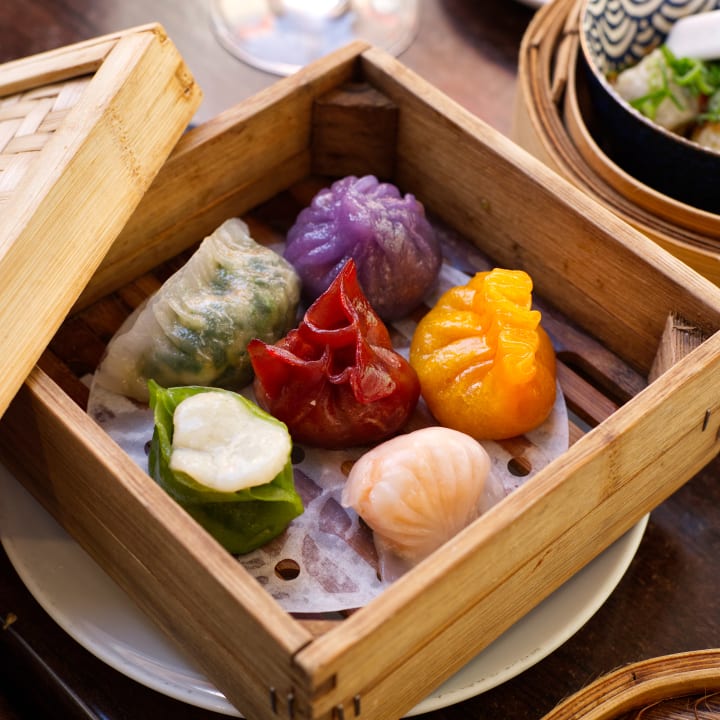
PLUM VALLEY
Traditional Cantonese dumplings with a backdrop of Chinese traditional gardens presented with a post-modern aesthetic
饺子指南
Steamed, boiled, pan-fried or served swimming in chilli oil, dumplings are an essential part of eating your way around Chinatown.
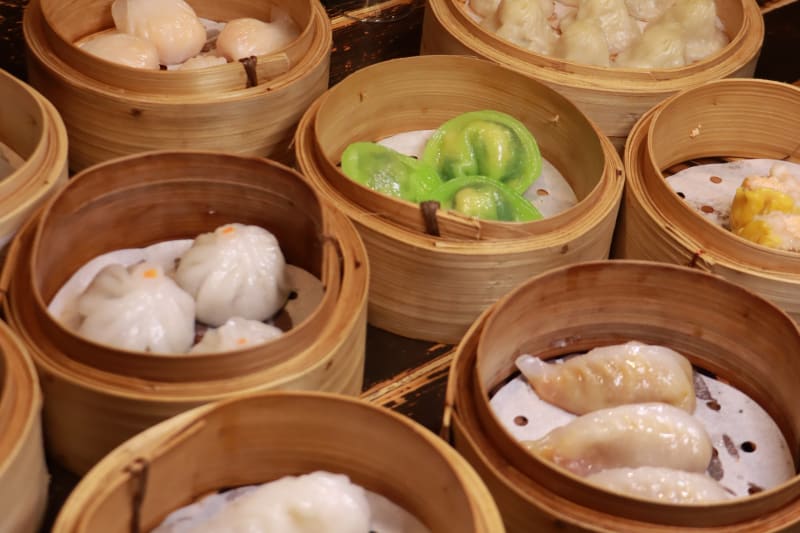
精选饺子
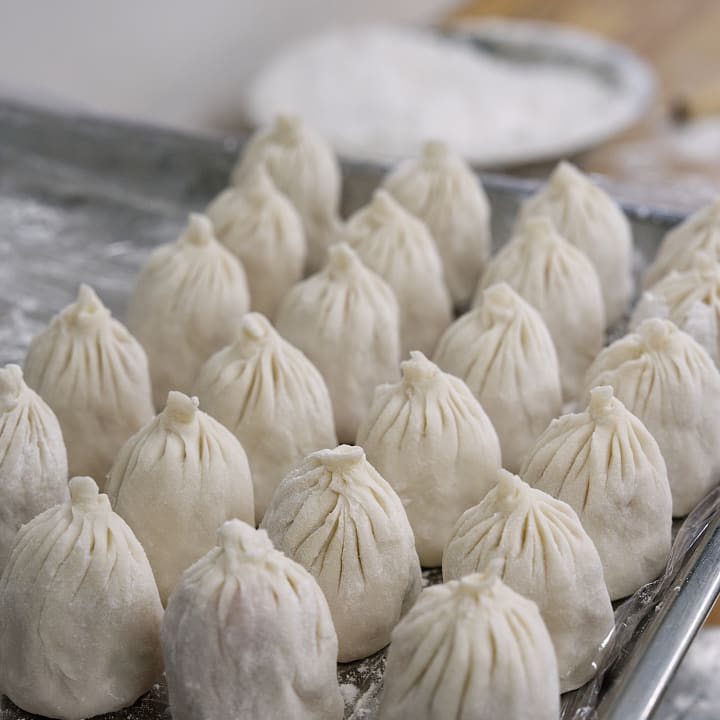
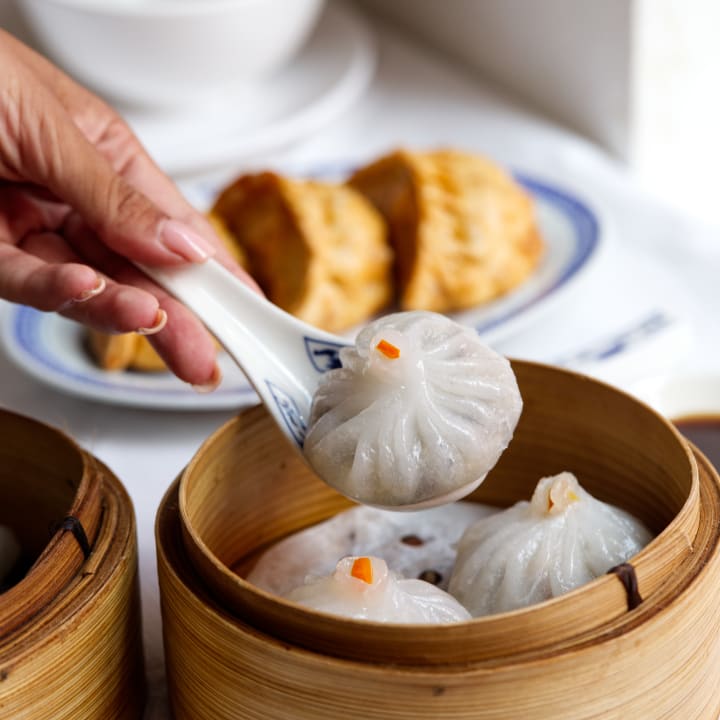
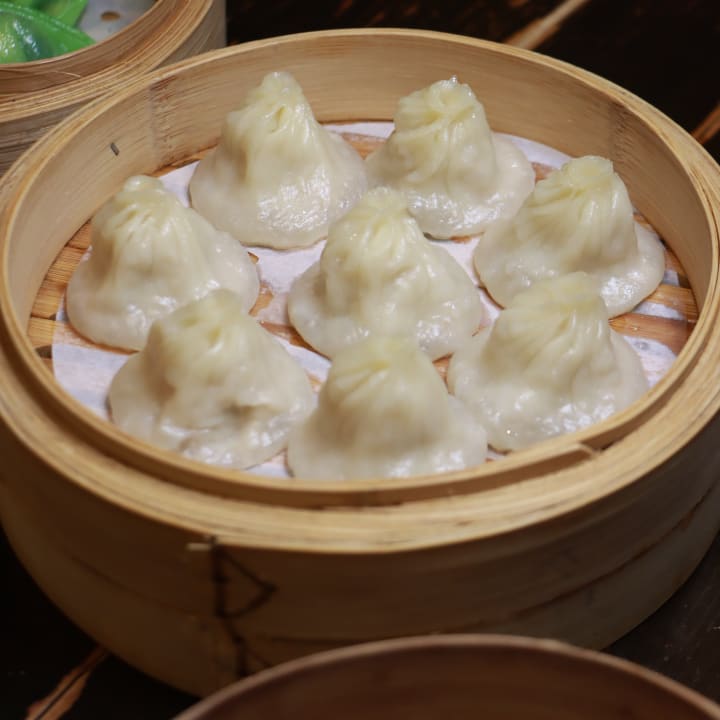
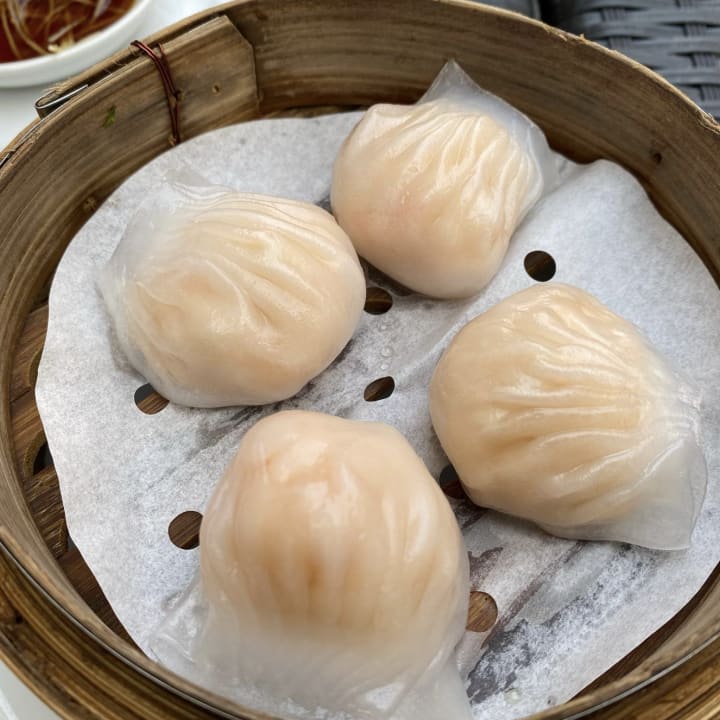
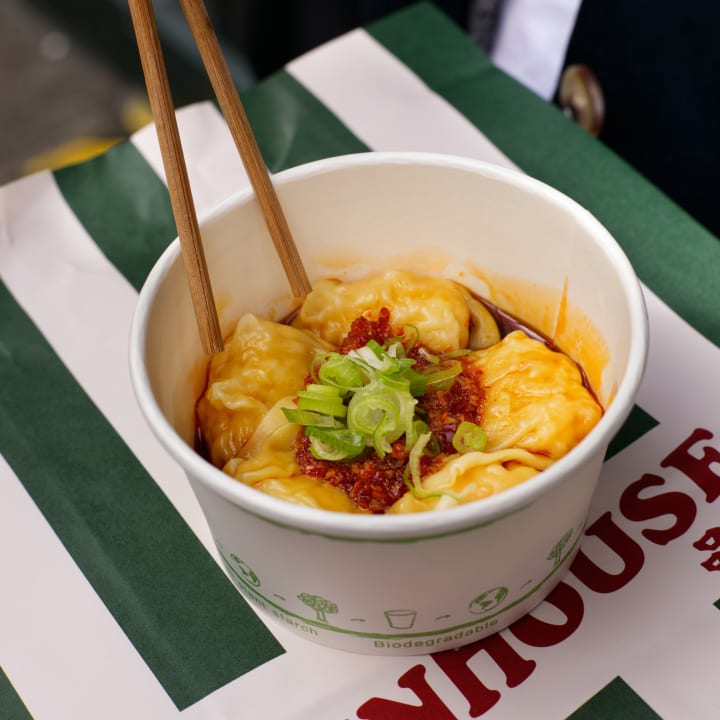
There’s more than meets the eye when it comes to these tasty parcels of joy. Dumplings are often eaten during Chinese New Year as they are said to represent luck, auspiciousness and prosperity. Some say they look like money pouches or boat-shaped gold ingots. It is believed that the more dumplings you eat, the more fortune you will gain throughout the year!
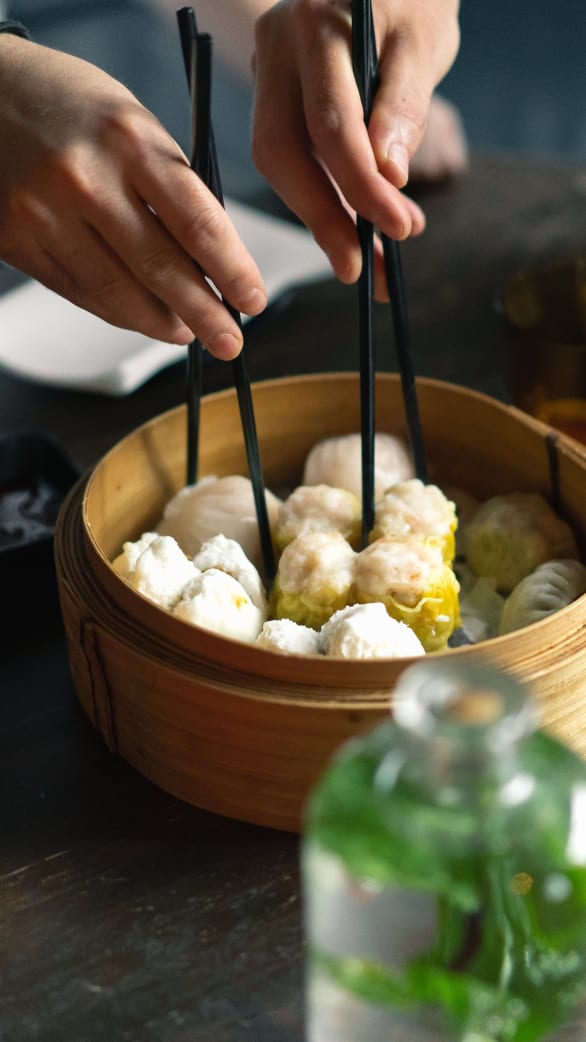
Dumplings also signify unity and coming together, traditionally people will get together with loved ones to make, cook and of course eat dumplings. Not only are they a delicious culinary creation but also an important cultural tradition that unites people. Across ESEA cultures, dumplings hold significance as a symbol of friendship and community.

卓越的餐厅
Loading listings